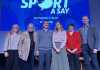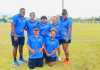
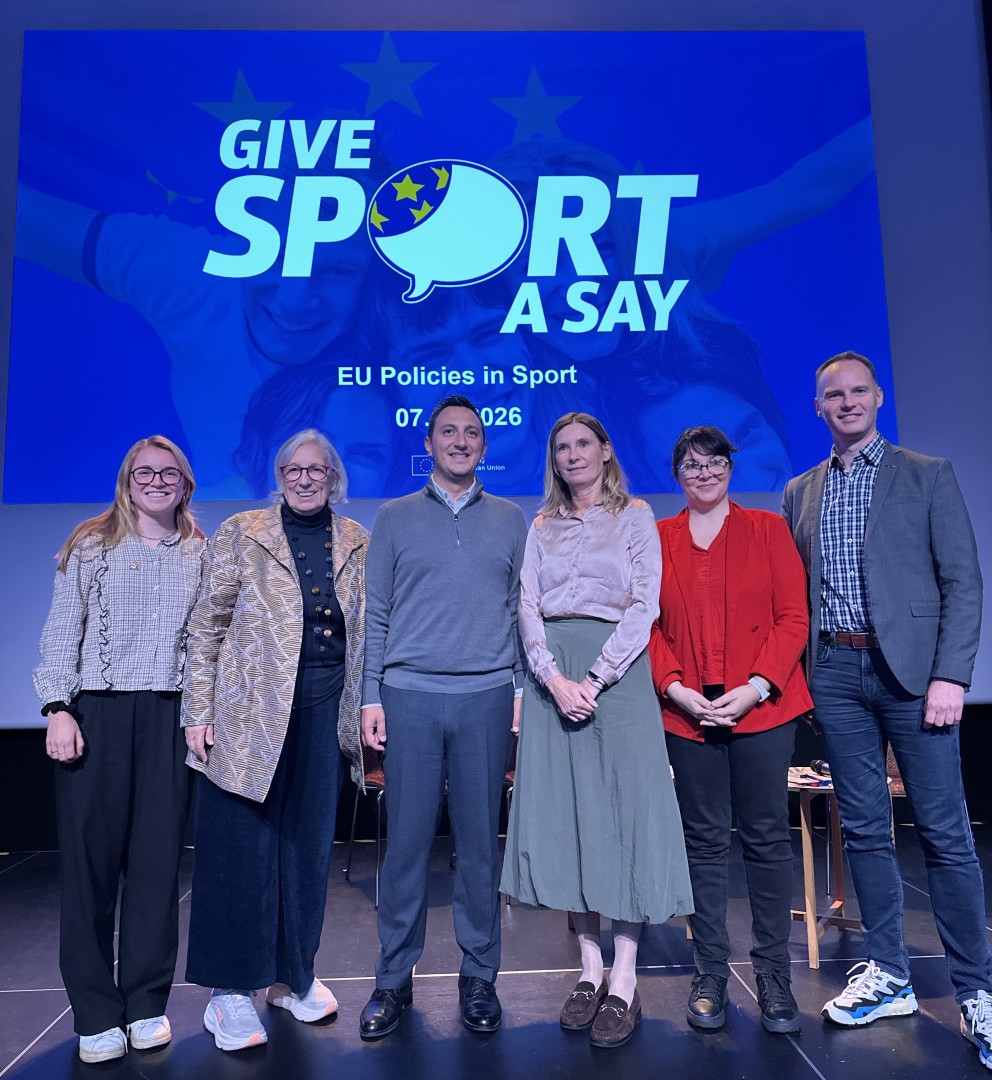
From 5 to 7 October, TAFISA Project Coordinator Frigga Franke was in Oulu, Finland, to attend the 23rd Annual Conference of the European Athlete as Student (EAS) network and support the Give Sport a Say activities held alongside it.
The EAS conference brought together researchers, universities, schools, sport organisations and policymakers from across Europe and beyond to exchange knowledge on dual careers and the challenge of combining elite sport with education and work. Hosted at the Lasaretti Conference Centre, this year's edition put a special focus on the Nordic dual career systems and the transitions athletes make between educational levels.
On the second day of the conference, the Give Sport a Say project was presented to participants, followed by an interactive workshop on EU sport policies.
About the Give Sport a Say Project
Give Sport a Say is a European initiative that uses sport as a space for civic participation. The project, co-funded by the European Union under the CERV programme, engages citizens of all ages, backgrounds and abilities in real sport environments. It collects ideas, concerns and proposals directly from people active in the sport movement and ensures these voices contribute to shaping the future of sport in Europe.
All ideas, concerns and proposals gathered at the events will be compiled into a European Policy Recommendation Report, to be shared with EU institutions, sport organisations and policymakers.
Asking questions instead of finding answers
The workshop in Oulu took a slightly different approach. Rather than looking for answers, participants took part in a "question burst" around one central challenge: Which questions should be addressed to enhance the awareness of European citizens on sport policies?
The rules were simple: generate as many questions as possible on the topic, without answering any of them and without explaining why a question is being asked.
Participants were split into five thematic groups: Integrity and Safe Environment of Sport (match fixing, good governance, safeguarding), Social Inclusion in and through Sport (equal opportunity, socio-economic status, migrants), Education in and through Sport (dual career, recognition of transversal skills), European Sport Model (grassroots and solidarity) and Health-Enhancing Physical Activity (#BeActive, European Week of Sport)
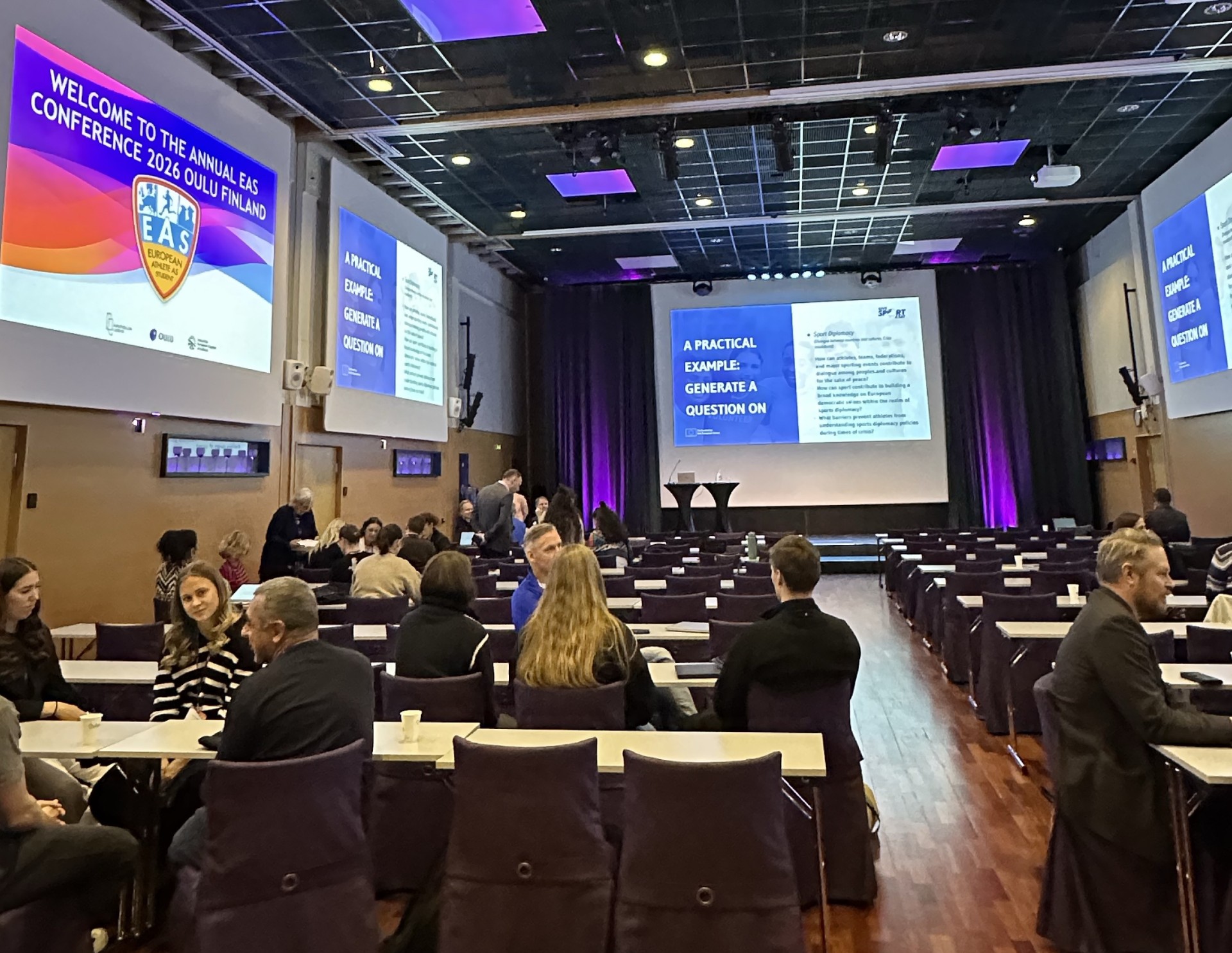
Spotlight: Social Inclusion in and through Sport
Frigga Franke facilitated the group on Social Inclusion in and through Sport, joined among others by members of the Finnish Olympic Committee. Among the questions the group rated as most relevant were:
The question burst format opened up lively discussions and showed how much there still is to unpack behind a term as widely used as "social inclusion". The method received very positive feedback from participants, many of whom appreciated the chance to step back from finding solutions and think first about which questions really need to be asked.
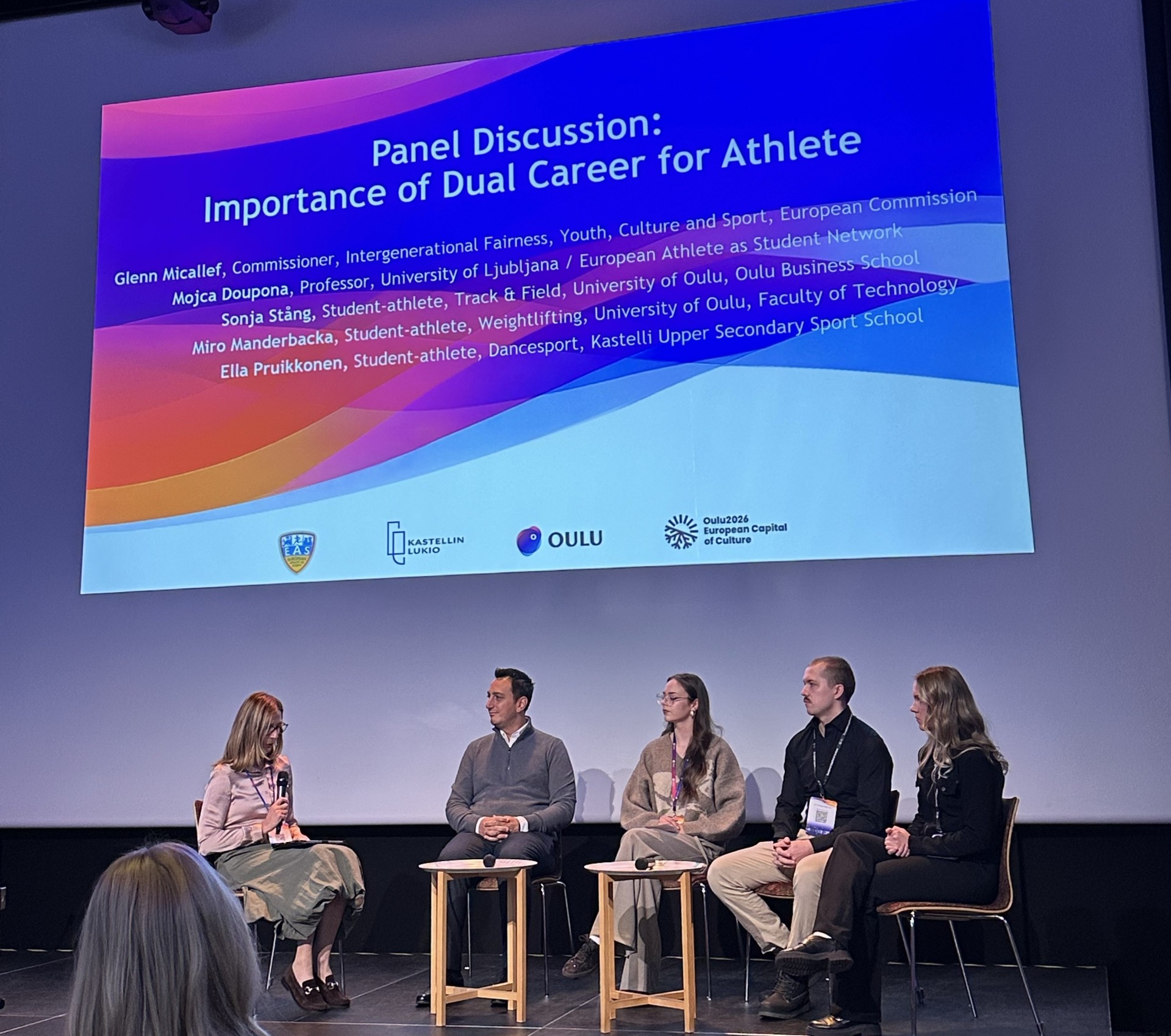
On the final day of the conference, Glenn Micallef, European Commissioner for Intergenerational Fairness, Youth, Culture and Sport, joined a panel discussion on "The Importance of Dual Career for Athletes". When asked about current EU priorities in sport, he mentioned the following: Strengthening the European sport model, promoting physical activity and using sport diplomacy as a tool to build connections between countries, institutions and people.
Mr Micallef also stressed that citizens should be more involved in EU decision-making and should have a say in the EU's sport priorities. This resonates strongly with the approach of Give Sport a Say, which sets out to do exactly that.
A healthy mind for a healthy body
As the event drew to a close, one key message resonated throughout the conference: a healthy body needs a healthy mind. While the discussions mostly focused on elite athletes and the pressures of their dual careers, the message reaches far beyond high performance. Health and mental wellbeing are key pillars of TAFISA's mission of creating a better world through Sport for All. This will also be the main topic of our next Mission 2030 webinar. Register here.
A warm thank you to the EAS organisers for being such excellent hosts, to the project lead OPES and project partner EUSA, who co-facilitated the workshop together with TAFISA and EAS.
The next Give Sport a Say event will take place in November at the EUSA Convention in Slovenia. Stay tuned!